
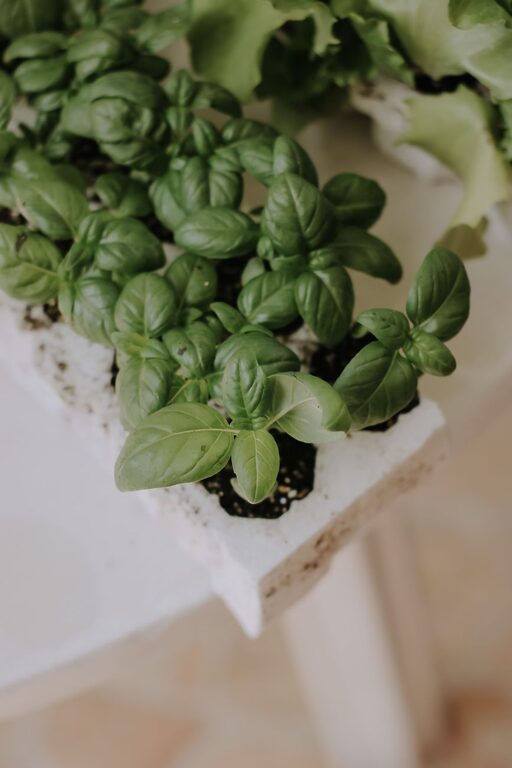
Growing an herb garden indoors is a rewarding and practical way to enjoy fresh flavors right at your fingertips. Whether you have limited outdoor space or want fresh herbs year-round, starting a small herb garden inside your home is easier than you might think. This guide will walk you through all the steps you need to establish a healthy indoor herb garden, from choosing the right herbs to caring for them daily.
Why Grow Herbs Indoors?
Indoor herb gardening offers several benefits:
– Freshness: Pick herbs whenever you need them, ensuring peak flavor.
– Convenience: No need for outdoor space or a large garden.
– Aesthetics: A herb garden adds greenery and a pleasant aroma to your living space.
– Cost-Effective: Save money on buying fresh herbs repeatedly.
With just a few pots, some soil, and a sunny window, you can start your own mini herb garden.
Choosing the Right Herbs for Indoor Growing
Not all herbs thrive indoors, so it’s best to start with varieties that adapt well to indoor conditions.
Best Herbs for Beginners
– Basil: Needs plenty of light and warmth.
– Mint: Easy to grow; can tolerate less light but prefers indirect sunlight.
– Parsley: Requires moderate light and consistent moisture.
– Chives: Tolerant to lower light and easy to grow.
– Thyme: Likes bright light and well-drained soil.
– Oregano: Requires bright light and not too much water.
Avoid herbs that require large spaces or lots of humidity, like cilantro or dill, unless you’re prepared for more intensive care.
Selecting Containers and Soil
Containers
Choose pots with good drainage, as overwatering is a common problem. Options include:
– Clay pots
– Ceramic pots with drainage holes
– Recycled containers with holes added
Size matters—start with 4-6 inch pots for each herb to give roots room to grow but keep space manageable.
Soil
Use a high-quality potting mix designed for indoor plants. Avoid garden soil, which may be too dense and can carry pests. A mix with good drainage and aeration helps prevent root rot.
Finding the Perfect Spot
Most herbs need plenty of light to thrive. Here’s what to consider:
– Sunlight: Aim for 6-8 hours of direct or bright indirect sunlight daily.
– Windows: South or southwest-facing windows usually get the best light.
– Supplement with Grow Lights: If natural light is limited, use LED or fluorescent grow lights for 12-16 hours per day.
Make sure the spot is not too drafty or near heating vents, which can dry out the plants.
Planting Your Herb Garden
Starting from Seeds vs. Starter Plants
– Seeds: More affordable; fun to watch grow but require patience and good germination conditions.
– Starter Plants: Sold in garden centers; faster results and easier for beginners.
If starting with seeds, plant according to packet instructions. Usually, seeds are sown shallowly and kept moist until sprouting.
Planting Steps
- Fill your pots with potting mix, leaving about an inch at the top.
- Plant seeds or seedlings at the recommended depth.
- Water gently to moisten the soil without soaking.
- Label each pot to keep track of herbs.
Watering and Feeding Your Herbs
Watering Tips
– Check soil moisture regularly by touching the top inch.
– Water when soil feels dry, but avoid letting pots sit in water.
– Use room-temperature water to prevent shocking roots.
Fertilizing
Use a balanced, water-soluble fertilizer once every 3-4 weeks, diluted to half strength. Over-fertilizing can harm herbs, so less is more.
Caring for Your Indoor Herb Garden
Pruning and Harvesting
Regular pruning encourages bushier growth and prevents plants from flowering too early.
– Harvest leaves by pinching or cutting above a leaf node.
– Avoid removing more than one-third of the plant at a time.
Pest Control
Common indoor pests include aphids or spider mites. Use natural remedies like mild soap sprays or wipe leaves regularly.
Monitoring
Keep an eye on:
– Yellowing leaves (might indicate overwatering).
– Leggy growth (may need more light).
– Wilting (could be underwatered).
Tips for Success
– Rotate pots every few days to ensure even light exposure.
– Use saucers under pots to catch excess water.
– Group herbs with similar light and water needs together.
– Experiment with different herbs to find what grows best in your conditions.
Conclusion
Starting a small indoor herb garden is an enjoyable and manageable project that can enhance your cooking and brighten your home. With the right herbs, containers, and care, your kitchen windowsill can become a lush oasis of fresh herbs year-round. Follow these steps and enjoy the process of growing your own indoor herb garden today!