
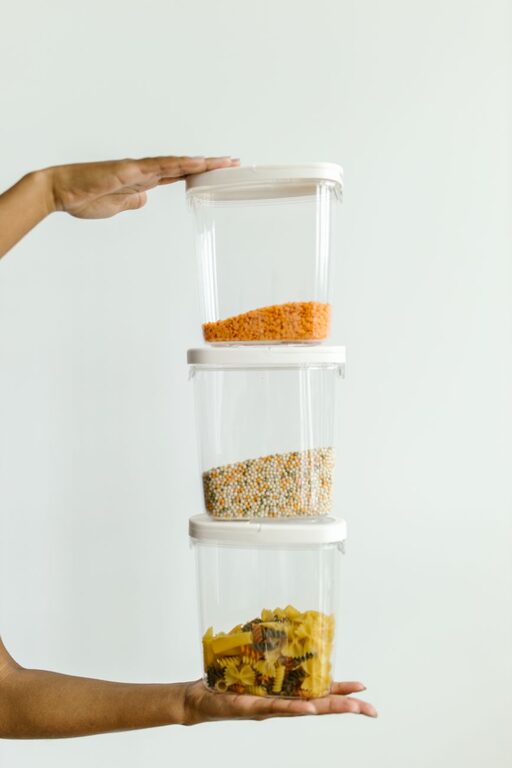
Planning meals from pantry staples is a fantastic way to save time, reduce food waste, and stick to a budget without sacrificing flavor. Whether you’re fresh out of groceries or just aiming to make the most of what you have on hand, your pantry can be a treasure trove of possibilities. This guide will walk you through how to organize your pantry, identify versatile staples, and plan meals that are simple, nutritious, and satisfying.
Why Use Pantry Staples for Meal Planning?
Pantry staples are the non-perishable or long-lasting items in your kitchen—think canned goods, dried grains, and spices. These ingredients often form the base for many recipes and can keep for months or even years. Using pantry staples effectively helps you:
– Save money by avoiding last-minute trips to the store
– Reduce food waste by using what you already have
– Create quick meals when life gets hectic
– Build a foundation of versatile ingredients for diverse recipes
Step 1: Take Inventory of Your Pantry
Start by cleaning out your pantry and taking a detailed inventory. This process helps you know exactly what you have and what’s missing.
How to Take Inventory
– Remove items from shelves and check expiration dates
– Group foods by category (grains, canned vegetables, beans, spices, etc.)
– Note quantities and any staples you need to replenish
– Organize items so you can easily see what’s available, placing older items at the front
Keeping a written or digital list of your pantry items can be helpful for meal planning and grocery shopping.
Step 2: Identify Versatile Pantry Staples
Certain pantry staples are especially useful because they can be used in many recipes and food types. Here are some pantry essentials to keep stocked:
– Grains: rice, pasta, quinoa, oats, couscous
– Canned goods: beans (black, chickpeas, kidney), tomatoes (diced, crushed, sauce), corn, tuna
– Baking ingredients: flour, sugar, baking powder, yeast
– Cooking oils: olive oil, vegetable oil
– Spices and herbs: garlic powder, onion powder, paprika, cumin, chili powder, dried oregano, basil
– Condiments: soy sauce, vinegar, mustard, honey
– Broths and stocks: chicken, beef, or vegetable broth (cans or cubes)
These staples form the building blocks for soups, pastas, casseroles, stir-fries, and more.
Step 3: Plan Meals Around Your Staples
Now that you know what you have, start planning meals. Here’s how to approach it:
Choose a Protein Source
Look for canned beans, canned tuna, or shelf-stable tofu as protein options. Beans can be transformed into chili, salads, or stews, while tuna is great for sandwiches, pasta dishes, or salads.
Select a Grain or Base
Grains like rice or pasta make for a filling meal base. Couscous or quinoa are quick-cooking options with a different texture and flavor. Oats can also be used for savory dishes beyond breakfast.
Add Vegetables and Flavor
Use canned or jarred vegetables such as tomatoes, corn, or roasted peppers. Spice blends, herbs, and condiments will add depth and taste to your dishes. For example, canned tomatoes combined with Italian herbs and olive oil make a quick pasta sauce.
Plan for Variety
Mix and match ingredients to keep meals exciting. For example:
– Black beans + rice + cumin + salsa = Mexican-inspired bowl
– Chickpeas + curry powder + canned tomatoes + coconut milk (if available) = chickpea curry
– Tuna + pasta + garlic powder + olive oil + a splash of vinegar = simple pasta salad
Step 4: Use Simple Recipes and Adapt
Here are three easy recipe ideas to inspire your pantry-based cooking:
1. One-Pot Bean Chili
– 1 can black beans, drained and rinsed
– 1 can diced tomatoes
– 1 small onion (if available) or onion powder
– 1 tsp cumin
– 1 tsp chili powder
– Salt and pepper
– Cook canned beans with tomatoes, onion (or powder), and spices. Simmer 15-20 minutes. Serve with rice or tortilla chips.
2. Tuna Pasta Salad
– Cooked pasta
– 1 can tuna, drained
– Olive oil
– A splash of vinegar or lemon juice
– Garlic powder and black pepper
– Mix all ingredients and chill. Add canned corn or peas if available.
3. Quick Chickpea Curry
– 1 can chickpeas, drained
– 1 can diced tomatoes
– 1 tsp curry powder or garam masala
– 1 small onion (optional) or onion powder
– Cook chickpeas with tomatoes and spices. Simmer for 10-15 minutes. Serve over rice or couscous.
Step 5: Keep Building Your Pantry Over Time
A well-stocked pantry evolves. Add new ingredients based on your preferences and the types of meals you enjoy. Consider including:
– Shelf-stable vegetables like sun-dried tomatoes
– Different types of beans and lentils
– Alternative grains like bulgur or barley
– Specialty spices for new flavor profiles
Tips for Success
– Label and rotate: Keep older items in front so you use them first.
– Plan weekly: Look at your pantry inventory and plan meals before shopping.
– Mix fresh and pantry: Use fresh produce when possible to complement pantry staples.
– Batch cook: Make larger portions and freeze leftovers to save time.
– Stay flexible: Substitute ingredients based on what you have available.
Conclusion
Meal planning using pantry staples is an empowering way to streamline your cooking and save resources. With a little organization and creativity, your pantry can provide endless meal ideas that are easy, affordable, and delicious. Start by taking inventory, identifying your versatile staples, and crafting simple meals that make the most of what you have on hand. Enjoy the confidence and convenience of cooking from your pantry!