
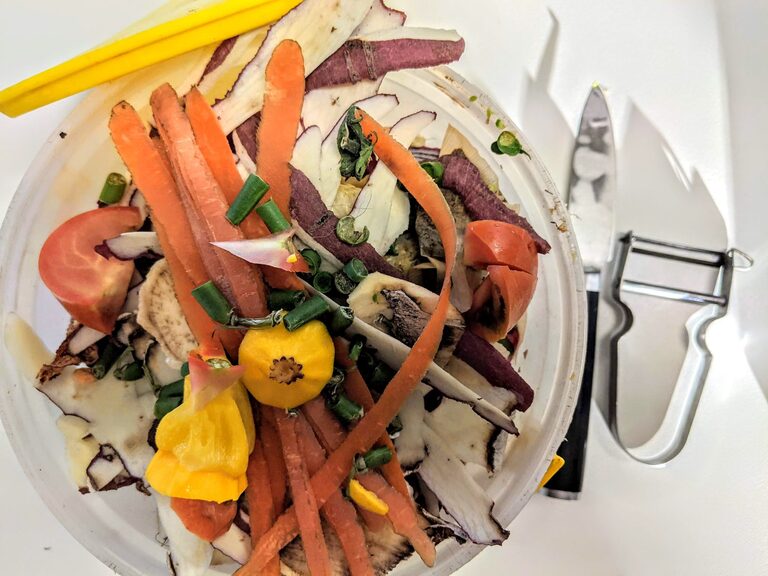
Reducing food waste at home is a simple way to save money, lessen environmental impact, and make better use of the food we purchase. On average, households throw away a significant amount of food each year, which adds up both economically and environmentally. Fortunately, with a few mindful habits and smart strategies, you can decrease your household food waste significantly. This guide will walk you through practical steps to help you reduce food waste every day.
Why Reducing Food Waste Matters
Before diving into the tips, it’s helpful to understand why cutting down on food waste is important. Food waste contributes to unnecessary greenhouse gas emissions since decomposing food in landfills produces methane, a potent greenhouse gas. Additionally, wasting food means wasting the water, energy, and resources used to grow, transport, and package it. By reducing waste, you not only save money but also support sustainability efforts.
Plan Your Meals Ahead
Create a Weekly Meal Plan
Planning meals in advance is one of the most effective ways to reduce food waste. When you know exactly what you intend to cook, you can shop with purpose and avoid buying ingredients you won’t use.
– Decide on meals for the week.
– Check your pantry and refrigerator to use what you already have.
– Write a shopping list based on your meal plan.
Shop with a List and Stick to It
Impulse buys often end up forgotten and wasted. Sticking to a shopping list helps reduce unnecessary purchases and ensures you only buy what you need.
Store Food Properly
Proper storage can extend the life of your food, keeping it fresh longer and reducing spoilage.
Use Clear Containers
Storing leftovers and fresh produce in clear containers makes it easy to see what you have, reminding you to use items before they spoil.
Keep Your Fridge Organized
Keep similar items together and put fruits and vegetables in separate crispers, as some fruits emit gases that can cause vegetables to spoil faster.
Understand Best Storage Practices
Certain foods do better outside the fridge, like tomatoes and bananas. Learn which foods belong where to maximize their shelf life.
Practice Smart Portioning
Serving appropriate portions can help avoid uneaten food left on plates.
– Use smaller plates to reduce the temptation to serve large portions.
– Encourage family members to serve themselves what they can finish.
– Save leftovers for future meals instead of discarding uneaten food.
Get Creative with Leftovers
Leftovers can be turned into delicious meals rather than thrown away.
– Transform leftover vegetables into soups or stir-fries.
– Use stale bread for croutons or breadcrumbs.
– Freeze leftovers in portioned containers for easy meals later.
Keep an Eye on Expiration Dates
First In, First Out (FIFO) Method
Arrange your pantry and fridge so that older products are at the front, and newer ones go to the back. This encourages using items before they expire.
Understand Date Labels
“Best by” and “use by” dates often indicate quality rather than safety. Many foods are safe to eat after these dates, so use your senses like smell and appearance to judge.
Compost Food Scraps
Even with all efforts, some food scraps are inevitable. Composting is an eco-friendly way to handle organic waste and reduce landfill contributions.
– Set up a compost bin in your kitchen or backyard.
– Compost fruit and vegetable peels, coffee grounds, eggshells, and more.
– Avoid composting meat, dairy, or oily foods, which can attract pests.
Educate and Involve Your Family
Involving everyone in your household in reducing food waste creates a shared responsibility.
– Educate children about the impacts of food waste.
– Encourage family members to suggest meal ideas using leftovers.
– Share progress and celebrate waste reduction efforts together.
Summary: Simple Daily Habits Make a Big Difference
Reducing food waste at home doesn’t require drastic changes. By planning meals, shopping smart, storing food properly, and finding creative ways to use leftovers, you can protect your budget and the environment. Small daily habits add up to a big impact, creating a more sustainable and mindful way to enjoy food. Start with one or two tips today and gradually build a routine that works best for your household.