
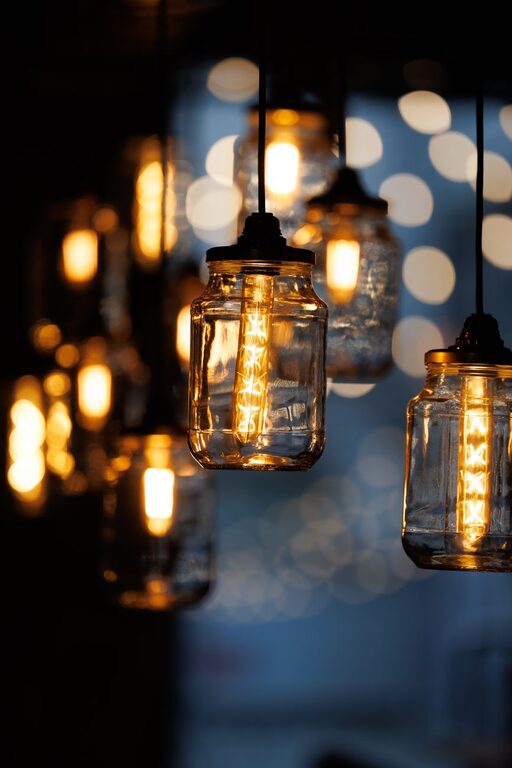
Lighting plays a crucial role in making your home feel warm, inviting, and comfortable. Whether you’re setting the mood for a quiet evening or need bright light for reading, the right lighting can transform any space. However, choosing comfortable home lighting can be tricky with so many options available. This guide will help you understand the key factors to consider, along with practical tips to pick lighting that fits your home perfectly.
Understanding Comfortable Lighting
Before diving into the types of lights and fixtures, it’s important to understand what makes lighting comfortable. Comfortable lighting is not just about brightness; it’s about how the light feels and affects your mood and activities. Factors such as color temperature, brightness level, and light distribution all influence comfort.
Color Temperature: Warm vs. Cool Light
Color temperature is measured in Kelvins (K) and describes the hue of the light source. Warm light (2700K to 3000K) appears yellow or soft white, creating a cozy and relaxing atmosphere. Cool light (above 4000K) looks bluish or daylight-like, which is energizing and better suited for work or study areas.
For most living spaces like living rooms and bedrooms, warm lighting is recommended. Kitchens, bathrooms, and home offices often benefit from cooler, brighter light for better visibility.
Brightness and Intensity
Brightness is measured in lumens and indicates how much light a bulb emits. Too little light can cause eye strain, while too much can be harsh and uncomfortable. The right brightness depends on the size of the room and its purpose. For example, bedrooms need softer lighting, while kitchens need brighter illumination.
Light Distribution and Direction
Comfortable lighting should evenly fill the room without harsh shadows or glare. Using a combination of ambient (general), task (focused), and accent (decorative) lighting can achieve this balance.
Tips for Choosing Comfortable Home Lighting
1. Assess Your Lighting Needs by Room
Each room serves different purposes, so lighting should be tailored accordingly.
– Living room: Use warm ambient lighting with dimmable options. Add task lighting like reading lamps and accent lighting for artwork.
– Bedroom: Opt for soft, warm light with multiple sources such as bedside lamps or wall sconces for flexibility.
– Kitchen: Bright, cool lighting works best. Combine overhead lights with under-cabinet task lighting for countertops.
– Bathroom: Use daylight bulbs around mirrors for clear, flattering light. Avoid overly harsh overhead lights.
– Home office: Bright, cool light minimizes eye strain. Include adjustable task lighting at your desk.
2. Choose the Right Bulb Type
The type of bulb affects energy use, light quality, and comfort.
– LED bulbs: Energy-efficient, long-lasting, and available in various color temperatures. They produce little heat and come with dimmable options.
– Incandescent bulbs: Have a warm, natural glow, but use more energy and have shorter lifespans.
– Compact Fluorescent Lamps (CFLs): More efficient than incandescent but sometimes have a harsh light and can take time to warm up.
LED bulbs are generally the best choice for comfortable and versatile home lighting.
3. Use Dimmer Switches
Dimmers allow you to adjust light intensity to match the time of day or activity, enhancing comfort. For example, dim lights during evening relaxation or brighten them for cleaning and work.
4. Layer Your Lighting
Combining different types of lighting creates a more pleasant and functional environment.
– Ambient lighting: Provides overall illumination through ceiling fixtures or wall sconces.
– Task lighting: Focused light for activities like reading or cooking (desk lamps, under-cabinet lights).
– Accent lighting: Highlights artwork, plants, or architectural features with spotlights or LED strips.
Layering light also helps prevent harsh shadows and creates visual interest.
5. Consider the Fixture Style and Placement
The design and placement of light fixtures affect how light spreads and feels in a room.
– Avoid fixtures that create glare or uneven light.
– Use lampshades and diffusers to soften light.
– Place lights at different heights for a balanced effect.
– Ensure lighting near reflective surfaces like mirrors is flattering and not glaring.
6. Mind Natural Light
Maximize daylight by using sheer curtains or blinds that can adjust light flow. Natural light is beneficial for mood and saves electricity during daytime.
Try to position seating or work areas near windows to take advantage of natural light.
7. Use Smart Lighting for Flexibility
Smart bulbs and lighting systems let you control brightness, color temperature, and scheduling from your phone or voice assistant. This flexibility enhances comfort by adapting lighting to your preferences without manual adjustment.
Conclusion
Choosing comfortable home lighting involves more than picking pretty fixtures. Understanding color temperature, brightness, and light layering ensures your home feels cozy and suits your lifestyle. Start by assessing each room’s needs, opt for energy-efficient bulbs like LEDs, and use dimmers and layers to create inviting spaces. Don’t forget the value of natural light and consider smart lighting if you want added convenience.
With these tips, you can create a home filled with comfortable, beautiful light that supports your daily activities and relaxation. Happy lighting!